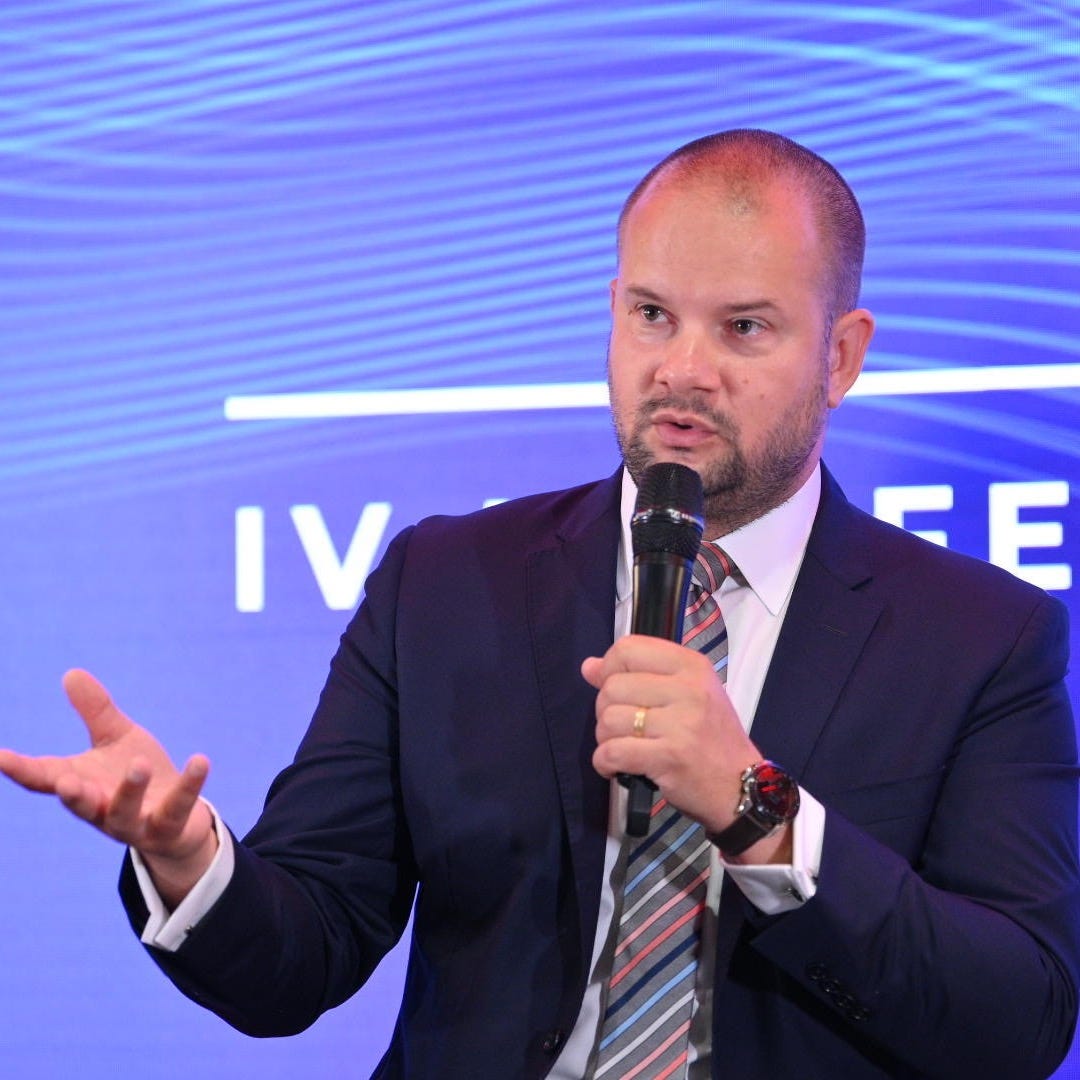
Two weeks ago, at the Digital Media Leadership Alliance – DMLA AI Summit in New York, I moderated a roundtable around this deceptively simple question. I was surrounded by top professionals in the digital licensing field, so the conversation went well beyond the obvious:
AI is not ethical or unethical in itself.
The ethics lie in how it’s built, what it’s used for, and the guardrails placed around it. Competitiveness is not a valid reason to set principles aside.
Foundations vs. applications.
The broad understanding was that today’s AI models were trained on vast amounts of copyrighted material without permission from rights owners or compensation for them. The beneficial uses of today rest on a problematic foundation. Both sides can be true at once.
Specifically for our industry, the core issue is sustainability.
AI needs – and uses – high-quality journalism. In this context, AI products and agents increasingly answer users’ questions by using our content, without proper compensation. When thousands of machine visits produce only a handful of human ones, the traffic-and-advertising model simply stops working. We will likely need new licensing and compensation models based on AI access and use, not clicks. But AI companies should adhere to this reality.
Self-regulation alone won’t be enough.
The discussion on self-regulation became public just before the DMLA AI Summit. When the market rewards moving first and fixing later, ethical leadership matters, but – even more so – the clear external rules that protect creators, journalism and the wider information ecosystem.
These questions are very close to home for us at EANA – The European Alliance of News Agencies. News agencies sit at the very start of the information chain: our members produce the verified, timely, factual content that newsrooms, and increasingly AI systems, rely on. If that content is used without compensation flowing back, it is not just a business problem for agencies. It is a risk to the reliability of the entire information ecosystem, AI included. That is why proper licensing and real accountability around AI use remain central to our work.
My main takeaway: innovation and ethics can coexist. The real challenge is capturing AI’s benefits while making sure the people and institutions producing the information AI depends on can continue to exist.
Many thanks to everyone around the table for such a constructive discussion, and to the DMLA team for making it happen: Leslie Hughes, the executive director of DMLA, Joe Naylor, DMLA President, Sarah Lefebvre (organizing wiz), Mark Milstein, DeSean Brown (thanks for the photos pocstock!), Thomas Smith, Margaret Vincent.
Also great to have so important news agency presence with EANA President and ANSA CEO Stefano De Alessandri and The Associated Press Chief Revenue Officer Kristin Heitmann as panelists in a very good leadership discussion.